The Language Before Words
Visual identity in 2026: from the frozen logo to a living system, an operational Brand Doc, and honest cinema about the brand.
By Tanya Teterina
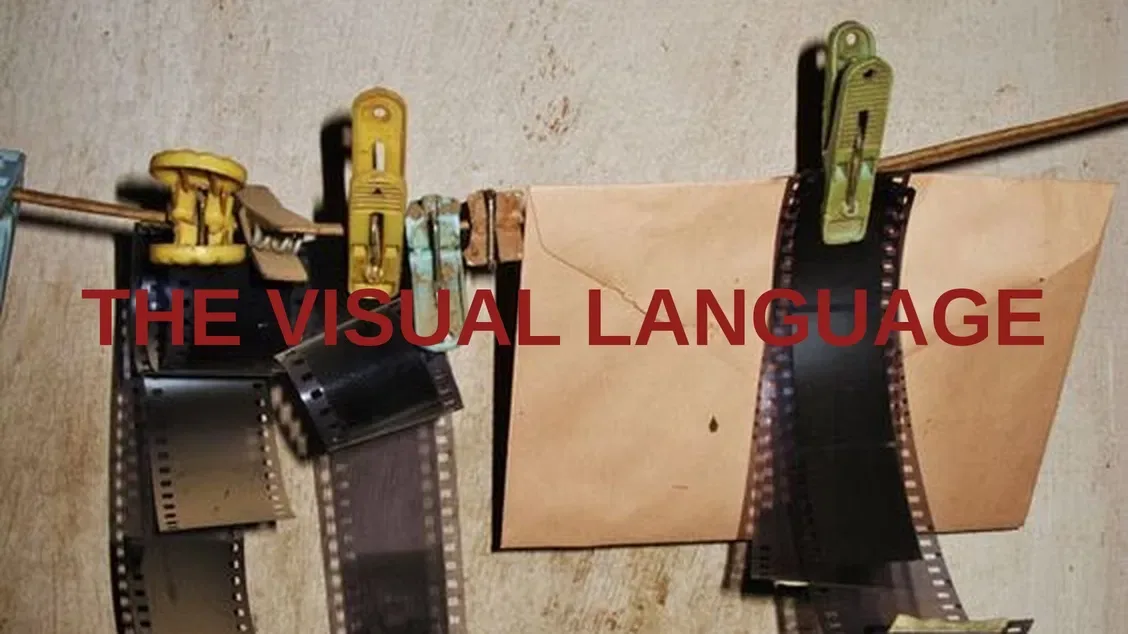
Visuals are the first and most honest language a brand speaks to the world. Before a person reads a single line or hears a slogan, their brain has already parsed shape, colour, and rhythm in a fraction of a second — and delivered a verdict.
A Direct Line to the Unconscious
Recognition is not born from a logo seen a thousand times. It is born from consistency: when a fragment of shadow, the curve of a letterform, or a colour gradient is enough for someone to read a company’s DNA without error. Visual language translates the complex meanings of a business into the language of emotion — making the brand visible felt.
Recognition is born from consistency. One curve of a letterform carries the entire DNA.
The Aesthetics of 2026: From Statics to Living Matter
Visual identity has finally stopped being a frozen monument. The spatial internet and algorithmic content dictate an entirely new set of rules.
Fluid identity. Visual style is no longer static. Logos, forms, and patterns adapt to context, platform, even the user’s time of day — keeping their essence while organically changing their shell.
Kinetic design. Motion has become more important than stillness. The way a graphic element appears, breathes, and vanishes — through micro-animations and object physics — is now the primary marker of recognition.
Sincerity as the new premium. In a world where a neural network generates a flawless, glossy image in a second, true luxury has become “considered imperfection”: human roughness, tactile texture, and raw emotion that AI cannot yet imitate.
Brand Doc: The Operating System of a Brand
The brand book used to be a dull PDF of spacing rules and hex codes. Today the Brand Doc is a living digital organism: the constitution and operating system of a business.
What sets a modern Brand Doc apart:
Rules for algorithms. The document holds not only guidelines for designers but base prompts, constraints, and style vectors for corporate neural networks — so generated content never erodes the brand’s DNA.
A framework of meaning. It captures philosophy: why brand looks that way. Archetypes, tone of voice, and behavioural patterns are written into it.
A single source of truth. An interactive platform where any employee or partner can take the component they need — from a typeface to a 3D model — knowing it is current.
Building such a document is the move from chaotic creativity to a managed, scalable system.
The Brand-Doc Film: When Identity Takes on Flesh
If the digital Brand Doc is the operating system of a business, the brand-doc film is its cinematic soul. A manifesto in motion: documentary evidence of who you actually are, packaged in the format of real cinema. At a moment when audiences are exhausted by sterile advertising, documentary truth becomes the highest form of trust.
From positioning to presence. A brand book explains the rules. A film shows character: the breathing rhythm of a company, the founders’ energy, the texture of materials, the real faces of the team, the shadows backstage. A viewer absorbs this subconsciously faster than they will ever memorise corporate values.
An antidote to digital noise. In a feed saturated with identical videos and generated avatars, honest cinema about a brand’s inner kitchen is a breath of air. Real routine, arguments in planning meetings, rain outside the studio window — these create the effect of total presence.
A manifesto for insiders and outsiders. For clients, it is an argument for deep belonging. For the team and future hires, it is a cultural foundation: a lighthouse showing why the company exists at all.
You are buying a shared story.
The anatomy of a strong brand-doc film is built by the laws of dramaturgy. Conflict and search: the film opens not with “how great we are” but with the problem the brand is trying to solve. What chaos does your product bring into order? The underside of the process: the viewer is shown what usually hides behind the gloss — mistakes, the hunt for the perfect shade, discarded sketches, late-night calls. This is where the system is born. A philosophy of action: the product is not the destination but the by-product of the right process. At the centre are people, their obsession with detail, and the architecture that keeps the brand afloat.
To include such a film in your Brand Doc is to stop hiding behind logos. It is the courage to show yourself alive and imperfect — but systematic and real.
The Art of Being Imperfect
A brand today is not a monument; it is a flicker, a fleeting gesture. We have outgrown the era where identity could be frozen in a logo. We are now building living systems where algorithms serve creativity, and behind-the-scenes cinema tells a truer story than a thousand glossy commercials. In the end, people are not buying a polished image. They are buying the courage to be real — imperfect, authentic, and true to one’s own logic. And that, perhaps, is the only way to remain human in an age of overwhelming digital noise.
© DADÔMU Narrative Studio